
Identify critical indicators that signal it's time for a roof replacement in Ladner, ensuring your home stays safe and secure.
Knowing when to plan Roof Replacement Ladner can save you from costly water damage, insurance headaches, and energy waste. In a coastal community like Ladner, roofs face persistent moisture, salt-laden winds, and seasonal storms that accelerate wear. Homeowners often notice small warning signs, but delay because a patch seems cheaper than a full solution. The truth is that timing your replacement wisely preserves home value, protects interiors, and lowers long-term costs. This article breaks down the clearest signs your roof is near the end of its service life and what to do next. You will gain practical checklists, local context, and examples so you can make a confident, budget-smart decision.
Age and Weathering: The First Clues You Need Roof Replacement Ladner
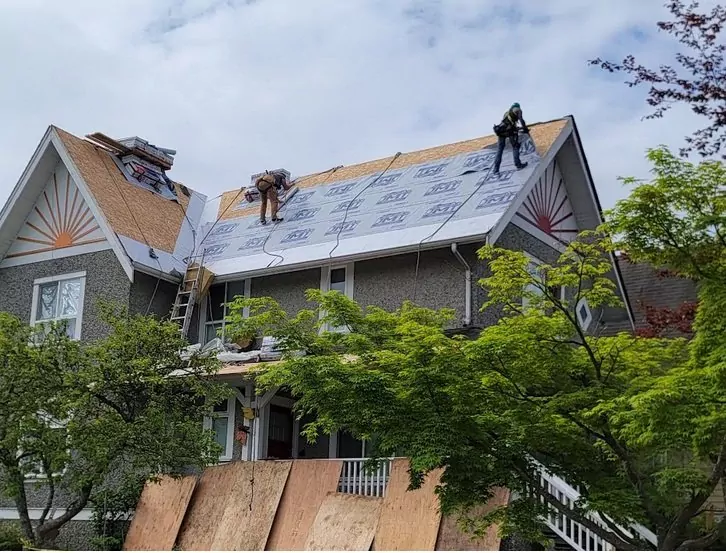
Most asphalt shingle roofs last 18 to 25 years in ideal conditions, but Ladner's damp climate, winter wind gusts, and UV exposure tend to shorten that window. If your roof is approaching its warranty limit, begin planning rather than waiting for an emergency leak. Age-related fatigue shows up as widespread granule loss, brittle tabs, and failing adhesives that let wind lift shingles. Older roofs also often have outdated underlayments and insufficient ventilation, which can trap moisture in the attic and speed up decay. If you cannot confirm install date, check permitting records, look for manufacturer codes on exposed shingle edges, or ask a roofer to core-sample for a definitive answer.
Coastal weather accelerates oxidation and shingle drying, which leads to curling and cracking that a surface repair cannot reverse. According to Environment and Climate Change Canada climate normals, the Metro Vancouver area sees frequent precipitation cycles that keep roofing materials wet for longer periods. This cyclical wetting and drying magnifies thermal movement, weakens sealant strips, and broadens nail holes that can become capillary leak paths. Many homeowners assume a roof looks fine because no interior staining exists, but deck-level deterioration often starts well before visible leaks. If your roof is more than two decades old, budget planning for replacement is prudent rather than reactive. For local climate data that informs life expectancy, see Environment Canada's climate normals for BC communities at Environment and Climate Change Canada.
Even when a roof is younger, cumulative storm exposure matters, and a full replacement can be the fiscally responsible option. If your roof has required two or more major repairs in the last three years, the pattern suggests systemic decline. Replacing early lets you upgrade to modern ice and water membranes, high-flow ridge ventilation, and code-compliant flashings that outperform legacy systems. It also improves curb appeal and transfer value if you plan to sell within a few years. When you see uniform shingle wear across slopes and recurring nail pops, schedule a professional inspection to map out the remaining serviceable life and next steps, including roof replacement services and budgeting.
Active Leaks, Stains, and Flashing Failures: Clear Signals for Roof Replacement Ladner
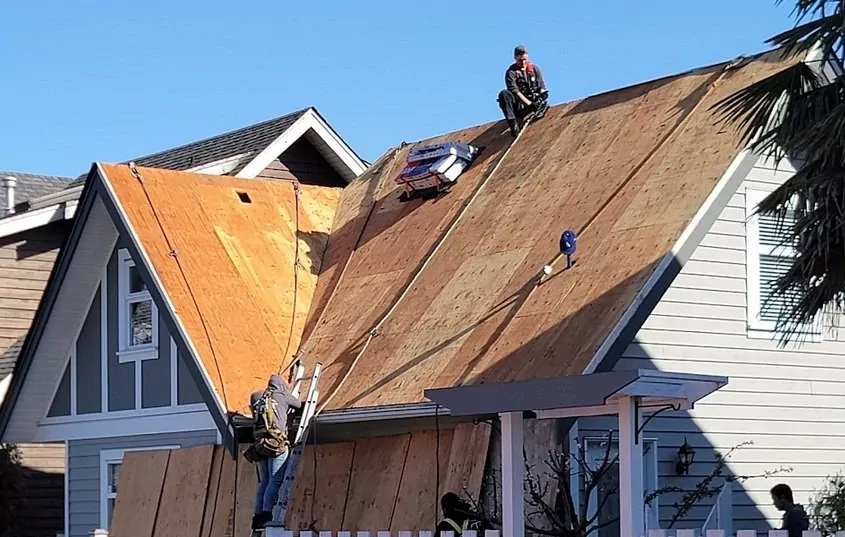
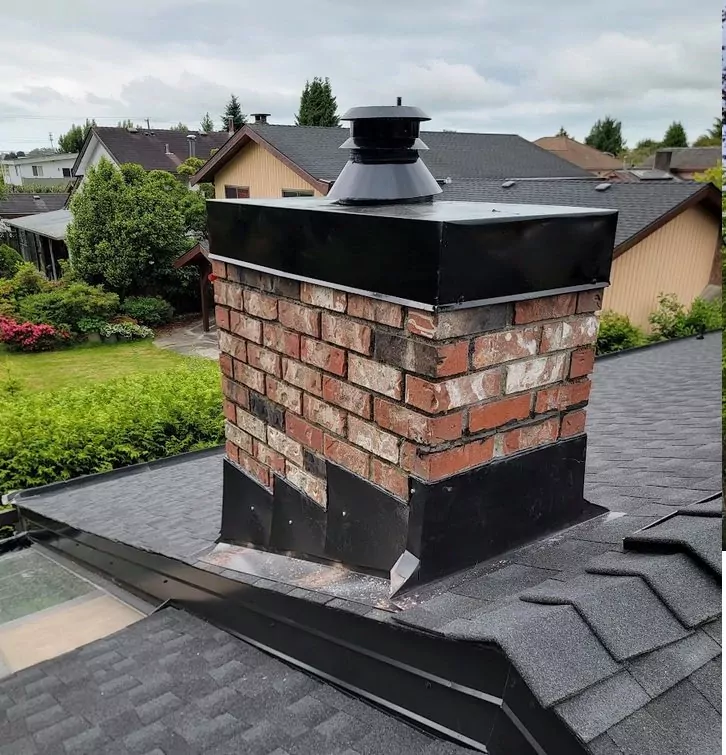
Interior stains on ceilings or upper walls are late-stage symptoms, not early indicators, and often mean water has traveled along framing or insulation. In Ladner, persistent rain and wind-driven moisture will exploit any flashing gap or cracked shingle, leading to dark rings, bubbling paint, or peeling drywall tape. If you notice musty odors in closets beneath roof slopes or see damp insulation at the attic eaves, water is entering above. Flashing weaknesses around chimneys, skylights, and plumbing vents are especially common, and once sealants dry and crack, leaks can recur even after patching. When multiple roof penetrations show failing flashings, a holistic replacement with new metal components is the durable fix.
Consider a local example: a Ladner rancher near the Fraser River experienced intermittent spotting in a hallway after southerly storms. Two spot repairs slowed the issue, but moisture readings still spiked around the skylight curb and chimney step flashing. An attic inspection found rusted nail shanks, damp sheathing, and early-stage mold growth along the north slope. Rather than keep chasing symptoms, the homeowner chose a complete tear-off, upgraded underlayment, and custom-fabricated flashings, which resolved the root causes and lowered insurance risk. This kind of case underscores why repeating leaks, especially near penetrations, usually signals the need for a comprehensive solution.
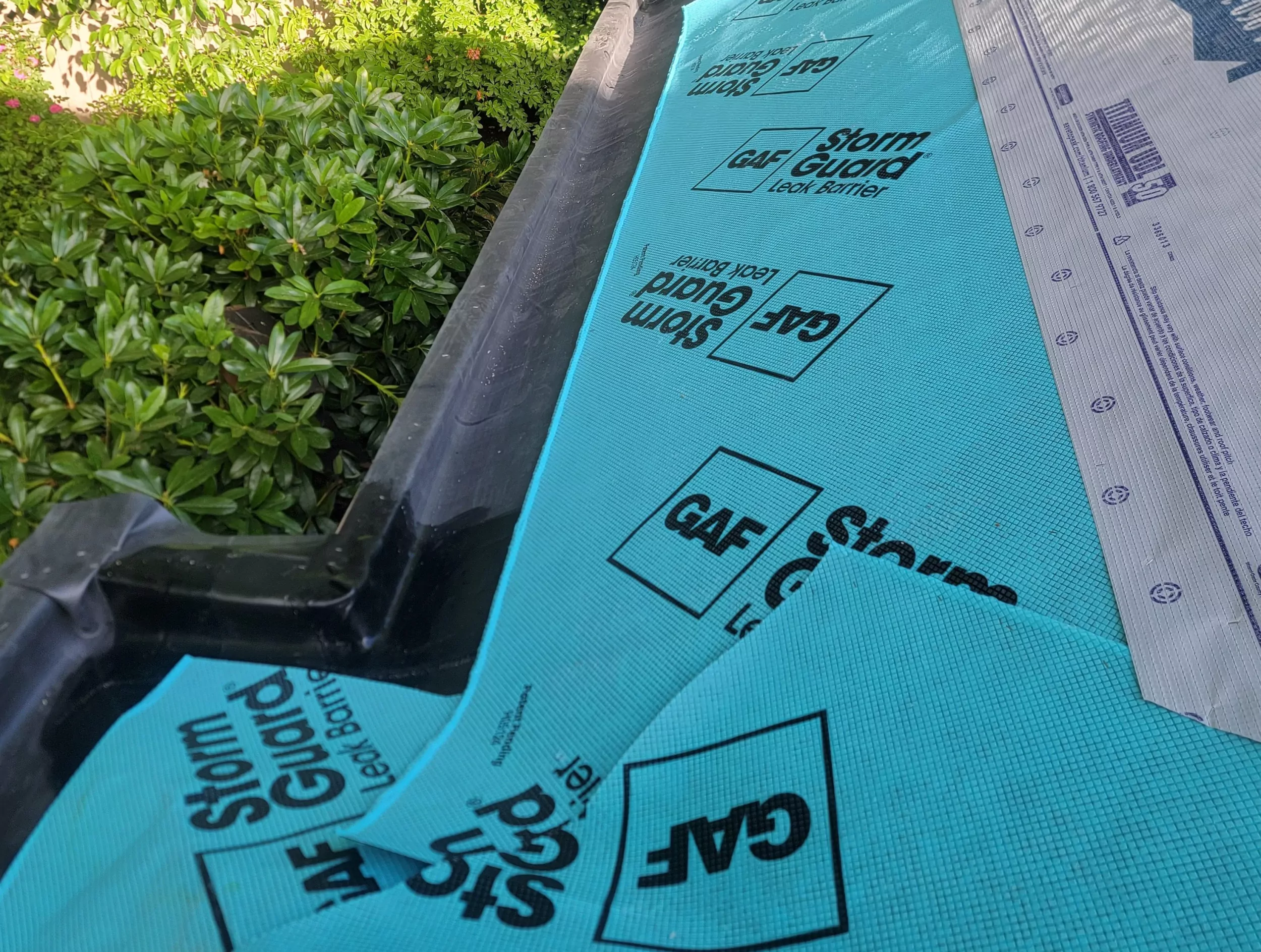
When leak patterns are recurrent across multiple slopes, replacement becomes less about aesthetics and more about structural health. Wet sheathing delaminates, fasteners lose holding power, and insulation R-values plummet, increasing heating costs. Left unchecked, moisture can also compromise electrical systems and create indoor air quality issues. A full system replacement lets you add ice and water protection in valleys, extend membranes around penetrations, and tie in new step and counter-flashing for long-term reliability. For homeowner education on common leak sources and inspection methods, consult the National Roofing Contractors Association's consumer resources at the NRCA Consumer Guide.
Shingle Damage, Granule Loss, and Biological Growth: Surface Signs of Roof Replacement Ladner
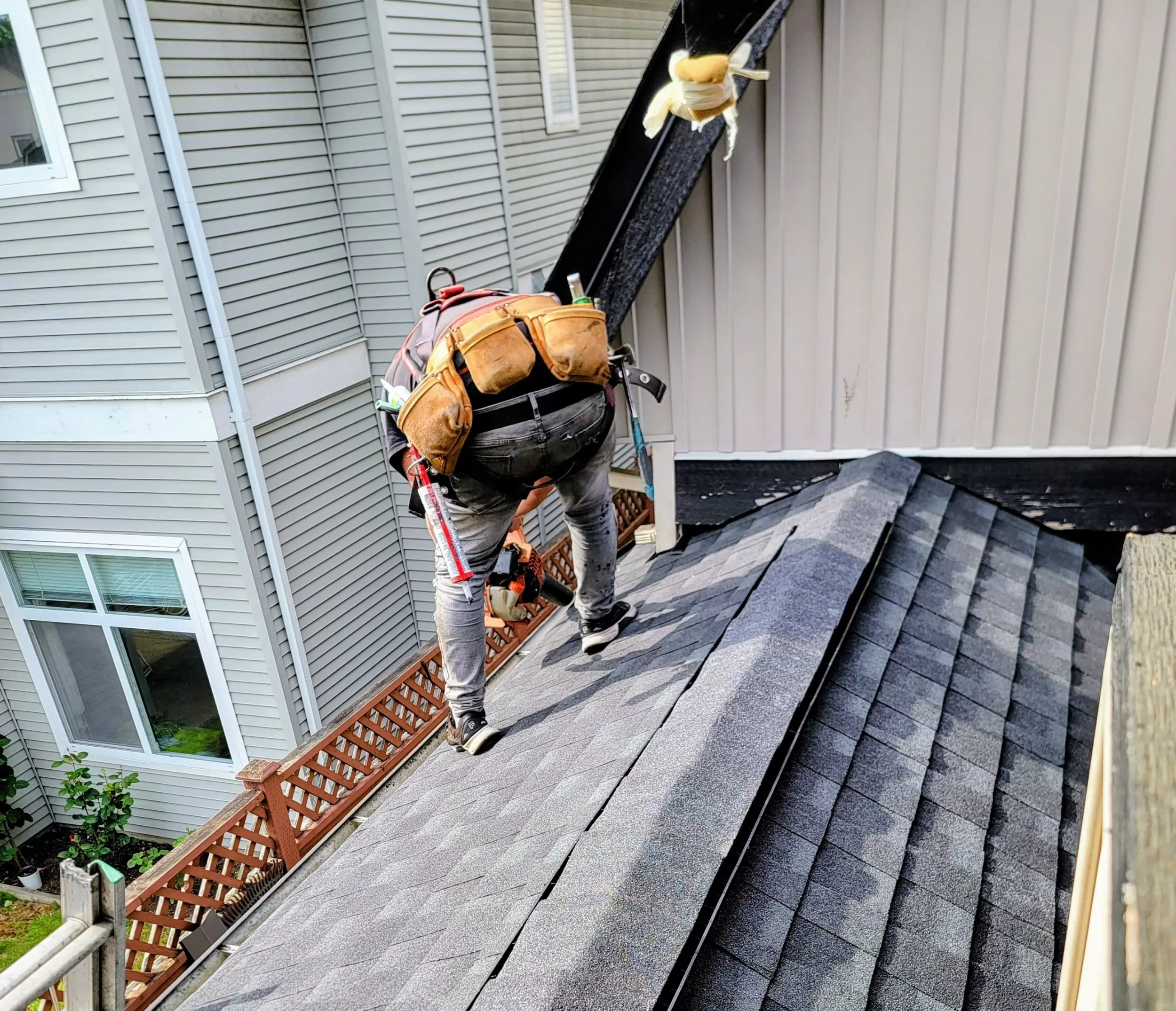
Heavy granule accumulation in gutters or at downspout outlets indicates UV-protective coatings are wearing off the shingle surface. Once granules are gone, asphalt layers absorb more heat, accelerate drying, and become brittle, which shortens remaining life. Look closely at sun-exposed slopes for bald patches, glossy asphalt, or spider cracking. Widespread granule loss is seldom repairable at scale because new shingles will not restore uniform UV protection across the field. In Ladner's climate, this condition progresses faster on south and west faces due to sun and prevailing winds.
Curling and cupping are also key indicators, especially when tabs lift and no longer seal to the course below. This creates wind uplift risks and allows driven rain to bypass the shingle system. If shingles fracture when bent or you see creases from prior wind flips, the roof's mechanical integrity is compromised. Moss and lichen growth further trap moisture at the shingle interface, hastening decay and prying tabs up as rhizoids expand. Replacing the roof and adding zinc or copper strips near the ridge can reduce future biological growth while preserving warranty coverage.
Not all discoloration is decay, but streaking algae, fungal staining, and moss colonies are red flags when combined with other wear signs. Frequent sweeping or pressure washing can do more harm than good by dislodging granules and breaking seals. If you are tempted to deep-clean an aging roof, weigh the short-term appearance boost against the long-term material loss and remaining lifespan. A wiser approach is to invest in modern algae-resistant shingles and better attic ventilation during replacement. For shingle technology and algae resistance details, review resources from leaders like GAF or compare specifications across brands before selecting a system.
Structural Red Flags and Ventilation Issues: Hidden Drivers of Roof Replacement Ladner
A sagging ridge line or soft, springy areas underfoot point to compromised sheathing or undersized framing aggravated by persistent moisture. In attics, look for darkened sheathing around nail tips, which can mean chronic condensation rather than a direct leak. Poor ventilation traps humid indoor air, leading to frost in winter and damp insulation that never fully dries. Over time, this cycle promotes mold growth, accelerates deck rot, and corrodes fasteners, shortening the roof system's life. Replacement is the right moment to correct ventilation with continuous soffit intake and balanced ridge exhaust to stabilize attic conditions.
In Ladner, wind-blown rain can enter where flashing meets siding, especially around headwalls, step flashings, and dormers. If your home has older fiber-cement or wood siding, expanding and contracting joints can open small water paths. During a full replacement, a qualified crew can integrate new step flashing with counter-flashing and kick-out details that divert water into gutters rather than behind cladding. This integration is difficult to achieve via piecemeal repairs, especially if multiple materials meet along complex rooflines. A system-based approach ensures the roof, flashings, and wall assemblies work together as a single weather barrier.
Attic ventilation standards have evolved, and many Ladner homes built before modern codes lack balanced intake and exhaust. Upgrading ventilation during replacement prevents ice damming at eaves, reduces summer heat load, and preserves shingle life. It also improves indoor comfort and can cut energy costs by reducing heat buildup above living spaces. If you want to see how ventilation supports durability, explore homeowner guidance from CMHC home maintenance resources. Pairing new membranes, code-compliant flashing, and balanced ventilation is a core reason full replacement outperforms serial spot repairs.
Costs, Efficiency, and ROI: When It Pays to Choose Roof Replacement Ladner
Homeowners often ask whether another repair makes sense or if replacement is the smarter financial move. A useful rule of thumb is that when a repair exceeds 20 percent of replacement cost on a roof older than 15 years, a full replacement often delivers better value. Replacement lets you reset warranties, improve energy performance, and eliminate hidden risks that escalate insurance claims. Modern roof assemblies with reflective shingles, synthetic underlayments, and optimized ventilation reduce heat transfer and moisture accumulation. In Ladner's damp climate, these upgrades stabilize indoor comfort and help HVAC systems run more efficiently.
Total cost depends on roof size, pitch, layers to remove, material choice, and complexity around skylights or chimneys. Asphalt shingles remain the most budget-friendly and widely used, while metal and premium composite options offer longer life and distinctive aesthetics. If you are evaluating quotes, confirm that each includes tear-off, deck repairs, new flashings, ice and water protection, and ventilation upgrades. This ensures apples-to-apples comparisons and avoids low-bid surprises. For a clear path forward, read our guide to ongoing care after your project at roof maintenance tips to protect your investment.
To get oriented and plan funding, request a written inspection that documents photos, moisture readings, and a prioritized scope. A reputable contractor will explain overlay versus tear-off, warranty tiers, and how local codes apply to your home. They should also offer options for phasing related exterior work, like gutter replacement or skylight upgrades, for timing and budget efficiency. When you are ready, explore roof replacement services that detail materials, process, and warranties, and contact the team for a tailored estimate. You can also learn more about the Ladner and Delta service area by visiting contact us and speaking with a local expert.
For at least one quick way to navigate, you can start here: Roof Replacement Ladner.
Conclusion

Recognizing early warning signs gives you control over timing, scope, and budget for Roof Replacement Ladner. Age, uniform shingle wear, recurrent leaks near flashings, and structural or ventilation issues are the clearest indicators to act. Replacing at the right moment lets you correct hidden problems, upgrade to modern membranes and ventilation, and secure stronger warranties. It also protects resale value and reduces the risk of sudden interior damage during a Pacific storm. With the right plan, you can turn a necessary project into a long-term performance upgrade for your home. When you are ready, explore roof replacement services and review our roof maintenance tips to keep your new system performing year after year.
For local, reliable guidance, call JMT Roofing at 604-960-1363 and ask for John to schedule your inspection in Ladner and Delta. You can also reach us at JMT Roofing, 101 - 1588 Derwent Way, Delta, BC V3M 6Z7 for in-person consultations. Our team will photograph findings, explain options, and help you choose materials and warranties that fit your goals. Whether you need urgent leak relief or are planning a proactive replacement, we make the process clear, organized, and stress-free. Contact us today through our contact page to get started and protect your home before the next weather cycle arrives. Your home deserves a roof built for Ladner's climate and your long-term peace of mind.
Frequently Asked Questions

How long does a typical roof last in Ladner?
In Ladner's coastal environment, asphalt shingle roofs commonly deliver 18 to 22 years, though premium systems can last longer with excellent ventilation and maintenance. Constant moisture, winter storms, and sun exposure collectively accelerate shingle aging compared to drier inland regions. Homes with large, unshaded south- or west-facing slopes often show faster wear on those exposures. Regular gutter cleaning, attic ventilation improvements, and prompt small repairs can extend usable life a few years. If your roof is nearing 20 years old or shows uniform wear, start budgeting and planning to replace before leaks appear.
Should I repair or replace if I only see a few problem areas?
Spot repairs make sense for newer roofs with isolated issues, like one damaged vent boot or a few wind-lifted shingles. However, when damage is widespread or the roof is past midlife, repairs become short-lived and compound costs over time. Consider replacement when you see uniform granule loss, recurring leaks at multiple penetrations, or extensive curling across slopes. Also weigh repair cost against replacement; if a repair runs over 20 percent of replacement cost on a mid- to late-life roof, replacement is often better value. A professional inspection that includes photos and moisture data will clarify which path protects your home and budget.
What time of year is best for roof replacement in Ladner?
Late spring through early fall generally offers the most consistent weather windows for roofing in Ladner. Moderate temperatures help shingles seal properly, and longer daylight hours improve jobsite efficiency and safety. That said, skilled crews regularly complete successful replacements outside peak months using weather monitoring and proper staging. If you have active leaks or structural concerns, do not wait for an ideal season; address the risk promptly. Booking early can secure preferred dates and ensure materials are ready when weather cooperates.
How much does a roof replacement cost in Ladner?
Costs vary based on roof size, pitch, layers to remove, material selection, and details like skylights, chimneys, and custom flashings. Asphalt shingle replacements for average single-family homes typically range widely, with premium materials and complex layouts trending higher. A detailed quote should itemize tear-off, disposal, sheathing repairs, underlayments, flashings, ventilation, and cleanup so you can compare bids fairly. Ask about workmanship and manufacturer warranties and what maintenance is required to keep them valid. To discuss your specific home, request a written assessment and estimate through our contact page or call the local team.

Location
1588 Derwent Wy #101
Delta, BC V3M 6Z7
Give Us A Call
604-960-1363
Send Us A Message
John@JMTRoofing.com
About Us
Problems with your roof can be very stressful. We're here to help and answer all your questions along the way.
Quick Links
Services
Opening Hours
Monday 6:00 am - 6:00 pm
Tuesday 6:00 AM - 6:00 PM
Wednesday 6:00 AM - 6:00 PM
Thursday 6:00 AM - 6:00 PM
Friday 6:00 AM - 6:00 PM
Saturday 6:00 AM - 6:00 PM
Closed

© 2025 JMT Roofing