
Essential Questions to Ask Your Roofing Contractor in Delta BC
Ask these key questions to ensure you hire the right roofing contractor in Delta BC for your project.
Choosing the right Roofing Contractor Delta BC can feel overwhelming, especially when timelines, budgets, and safety are on the line. The best way to gain confidence is to ask targeted, evidence-based questions that reveal professionalism, quality standards, and reliability. By understanding how permits, installation methods, materials, and warranties work together, you can avoid costly surprises and delays. A clear conversation up front also ensures you compare quotes fairly and focus on long-term value instead of the lowest bid. Throughout this guide, you will find practical checklists, real-world examples from Delta neighborhoods, and authoritative resources to validate what you hear. If you want a quick starting point, bookmark this page and share it with any homeowner you know who is about to hire a Roofing Contractor Delta BC.
Verify Licensing, Insurance, and Credentials with a Roofing Contractor Delta BC
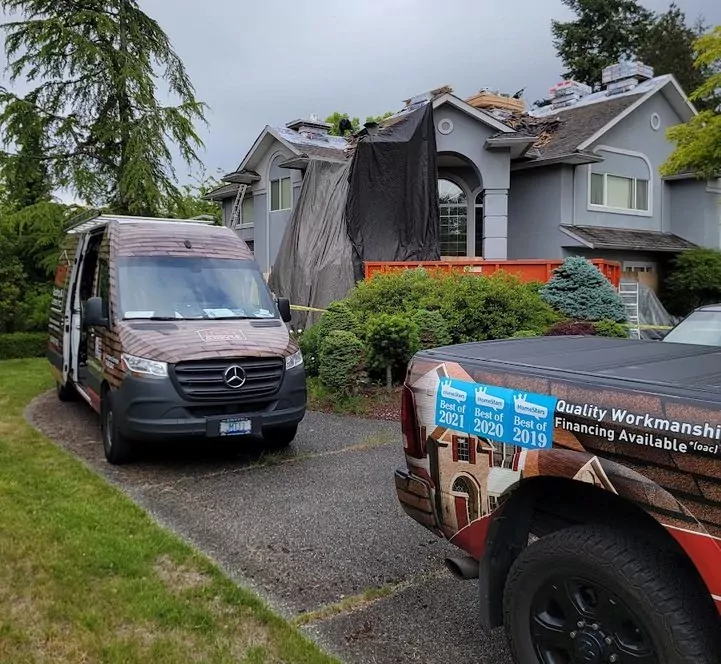
Before discussing colors or shingle profiles, confirm that your Roofing Contractor Delta BC holds a valid business license and adequate insurance coverage. Ask for a current WorkSafeBC clearance letter and proof of at least $2 million in commercial general liability insurance. A reputable contractor will willingly provide policy numbers and broker contact details so you can verify coverage. Memberships with bodies like the Canadian Roofing Contractors Association can indicate commitment to training and industry standards. For your own due diligence, consult WorkSafeBC to confirm coverage status and review best-practice safety guidance at WorkSafeBC, and see national standards at the CRCA.
Beyond documents, ask about certifications from major manufacturers, as these can influence warranty eligibility and installation quality. For example, a certified installer may be required to follow stricter quality controls and offer extended manufacturer-backed warranties. In North Delta, a homeowner avoided a five-figure liability when a contractor's worker was injured, solely because the homeowner had verified proper WorkSafeBC coverage. You should also check for a track record of resolved complaints and transparent communication, as reflected in online reviews and references. Finally, expect the contractor to provide at least three local references you can call, ideally in neighborhoods like Ladner and Tsawwassen.
Permitting is another must-have that separates professionals from the rest, because unpermitted work can delay resales or void insurance coverage. Ask who applies for municipal permits and confirm the contractor is comfortable building to the BC Building Code requirements. You can explore provincial code resources at the Government of British Columbia website: BC Codes. A proper permit trail typically improves appraisals and reassures future buyers about the home's maintenance history. If a contractor minimizes permit needs or suggests cutting corners, treat that as a red flag and get a second opinion.
Materials, Installation Standards, and Warranties to Demand from a Roofing Contractor Delta BC
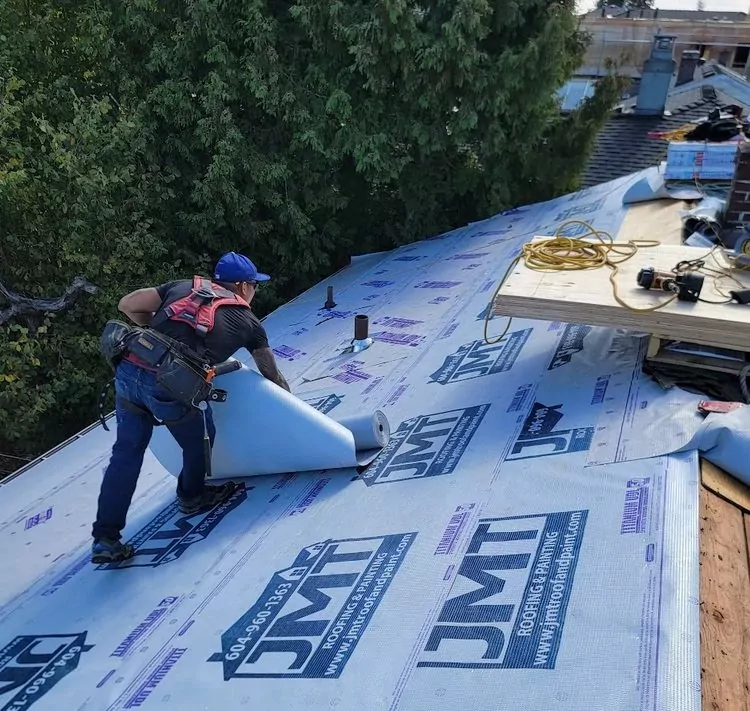
Modern roofing systems are more than shingles, because performance depends on underlayments, flashings, ventilation, and installation techniques. When interviewing a Roofing Contractor Delta BC, ask which brands and product lines they recommend and why those are suitable for Delta's coastal climate. Manufacturer guidelines provide the baseline for nail counts, shingle exposure, valley treatment, and starter courses, so insist that all work follows published specifications. For added confidence, request a sample cut-sheet or link to the product data sheet, such as the shingle installation guides at GAF or other major brands. Be sure to ask how attic ventilation and intake/exhaust balance will be verified to prevent condensation and premature shingle aging.
Warranties can be confusing, yet they are crucial for long-term value and peace of mind. Manufacturer warranties typically cover material defects, while workmanship warranties protect against installation errors for a defined period. In a Tsawwassen case study, a homeowner who insisted on a 10-year workmanship warranty avoided out-of-pocket costs when an early flashing failure was corrected under warranty. Clarify paperwork requirements for registering enhanced manufacturer warranties, which may include photo documentation and post-install inspections. Also ask what voids both workmanship and manufacturer warranties, such as unapproved roof penetrations or skipped maintenance.
Think of your roof as a system rather than a single layer, and your questions should reflect that mindset. Ask which underlayment is specified for eaves, valleys, and low-slope areas, and confirm the use of ice and water membrane where appropriate. Demand corrosion-resistant fasteners and correctly detailed metal flashing at chimneys, walls, skylights, and vents. If your project includes gutters or skylights, clarify whether they are included and how they will be integrated with the roofing system. For a deeper look at system components and options, explore our roofing services page for detailed overviews and common upgrade paths.
Project Scope, Timeline, and Transparent Pricing When Hiring a Roofing Contractor Delta BC
A professional Roofing Contractor Delta BC should provide a written proposal that reads like a roadmap for the job. Expect line items for tear-off, disposal, sheathing repair allowances, underlayment types, flashing details, and final cleanup standards. Include contingencies for hidden issues like rotten decking or unanticipated ventilation corrections, priced per sheet or per linear foot where applicable. In one Ladner project, the homeowner saved both money and stress by approving a clear deck-repair allowance, which prevented disputes when soft spots were uncovered. The more defined your scope is, the easier it becomes to compare competing quotes without falling for vague or incomplete bids.
Timelines should factor weather windows, crew size, and material lead times, especially during busy seasons. Ask how many installers will be on-site and whether a dedicated site supervisor will be present daily to coordinate trades and safety. It is smart to build a weather buffer into the schedule, and to clarify what happens if high winds or heavy rain force delays. A reliable contractor will offer a projected start date, duration, and milestones like delivery, tear-off, dry-in, and final inspection. If you must coordinate with neighbors or strata councils, request written notices and timing updates to minimize disruption.
Transparent pricing also extends to payment terms, invoicing schedules, and change-order protocols. Avoid large upfront deposits, and choose milestone-based payments tied to clear deliverables such as materials delivered or dry-in achieved. Ask how change orders are documented and approved, and ensure you receive updated pricing in writing before extra work begins. If you need financing, clarify whether the contractor partners with lenders and what terms are available. To get started with a clear, itemized quote, reach out via our contact page and we will walk you through options tailored to your roof and budget.
Safety, Site Protection, Cleanup, and Aftercare Expectations from a Roofing Contractor Delta BC
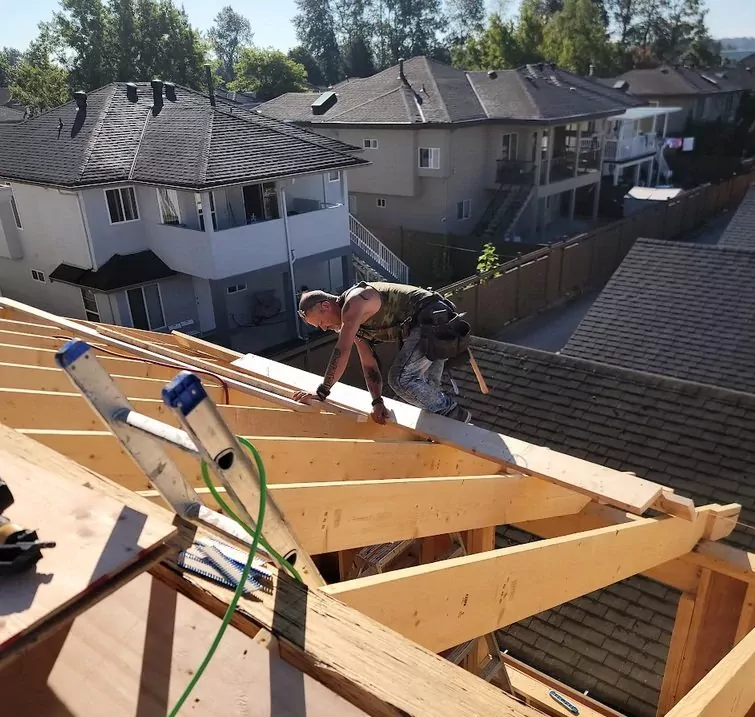
Roofing is hazardous work, so ask your Roofing Contractor Delta BC for a written safety plan specific to your property. Confirm fall protection measures, ladder tie-offs, and the designation of a competent site supervisor per WorkSafeBC requirements. Daily tailgate meetings and documented safety checks reduce incident risk and protect both workers and homeowners. In North Delta, a proactive safety plan minimized downtime after sudden wind gusts because tie-offs and debris controls were already in place. If a contractor cannot articulate their safety protocol, consider that a serious warning sign.
Property protection encompasses landscaping, siding, windows, and outdoor living spaces that can be impacted by tear-off debris. Ask how tarps, plywood, and moving blankets will be used to shield patios, planters, and heat pumps, and request photos of typical setups. Magnetic sweeps should be performed daily along driveways and walkways to capture stray nails, and bins should be positioned to avoid damaging concrete or lawn areas. In a Ladner bungalow reroof, daily cleanup and end-of-day checklists kept the family's routine intact and avoided costly nail-in-tire mishaps. Neighbors will appreciate notice of tear-off days and mindful parking arrangements, so ask your contractor to coordinate communication on your behalf.
Aftercare begins the day the last shingle is nailed, because even perfect installations benefit from regular maintenance. Ensure you receive a final inspection, a photo log of key details, and a punch list to close out minor items promptly. Ask about recommended maintenance intervals, especially gutter cleaning and attic checks after heavy storms or seasonal temperature swings. Many homeowners schedule annual or semiannual inspections to extend roof life and keep warranties valid. For tips on seasonal care and maintenance, explore our latest insights on the roofing blog and bookmark resources for future reference.
Conclusion
Asking focused, practical questions at the start helps you choose a Roofing Contractor Delta BC who delivers quality, accountability, and long-term value. Verify licensing, insurance, and safety protocols, and insist on manufacturer-compliant installation methods backed by clear warranties. Clarify scope details, timelines, and change-order procedures so you can compare bids apples to apples and avoid mid-project surprises. Demand strong property protection, daily cleanup, and a documented final inspection with photos you can keep on file. With these steps, you will approach your roofing project with clarity and confidence.
Ready to discuss your project with a local expert you can trust? Contact JMT Roofing, 101 - 1588 Derwent Way, Delta, BC V3M 6Z7, and ask for John to schedule a free consultation. Call 604-960-1363 today or request service through our contact page for a fast, detailed quote. Explore our roofing services to see system options, materials, and upgrades tailored to Delta's climate. Whether you are in North Delta, Ladner, or Tsawwassen, our team is ready to help you protect your home and budget with a roof that lasts.
Frequently Asked Questions

How do I compare quotes from different roofing contractors in Delta BC?
Start by standardizing your scope so each proposal includes the same tear-off, underlayment, flashing, and cleanup details. Review line items for deck repairs, ventilation upgrades, and disposal, and confirm whether permits are included or extra. Compare both workmanship warranty lengths and manufacturer coverage tiers, because stronger warranties often reflect better training and oversight. Ask who the crew lead will be and how many installers are assigned, since crew size affects speed and quality control. Finally, consider reputation and references as part of total value, not just price, to avoid costly change orders and shortcuts.
What roofing material is best for Delta's coastal climate?
Architectural asphalt shingles remain popular for balance of durability, curb appeal, and cost, especially with algae-resistant granules. For higher wind resistance and longer life, some homeowners choose metal roofing, which sheds heavy rain efficiently and offers excellent fire performance. Low-slope sections may require membrane systems like SBS-modified bitumen or TPO, which demand specialized installation to avoid ponding and leaks. Ask your contractor to match materials to exposure zones, tree cover, and attic ventilation, which all influence performance. Reviewing manufacturer installation guides and wind ratings will further ensure your selection suits Delta's breezy, marine-influenced weather.
How long does a typical roof replacement take in Delta BC?
Most single-family asphalt shingle replacements finish in one to three days once work begins, depending on roof size and complexity. Weather plays a major role, so contractors often build buffers for rain or wind to protect open roof sections. The timeline also depends on crew size, material availability, and any required structural or ventilation corrections discovered during tear-off. Ask for a written schedule with milestones, including delivery, tear-off, dry-in, inspection points, and final cleanup. Clear communication and a dedicated site supervisor can keep your project on track even if weather forces minor adjustments.
What red flags should I watch for when hiring a Roofing Contractor Delta BC?
Be cautious of vague quotes, pressure for large upfront deposits, or resistance to providing insurance certificates and references. Contractors who dismiss permits or claim they are unnecessary may be signaling a willingness to cut corners that could cost you later. Lack of a written safety plan and inconsistent communication are also warning signs of poor organization and risk management. Extremely low bids can indicate subpar materials, inadequate insurance, or a plan to rely on excessive change orders. Choose transparency, documentation, and verifiable credentials over any promise that seems too good to be true.
Location
1588 Derwent Wy #101
Delta, BC V3M 6Z7
Give Us A Call
604-960-1363
Send Us A Message
John@JMTRoofing.com
About Us
Problems with your roof can be very stressful. We're here to help and answer all your questions along the way.
Quick Links
Services
Opening Hours
Monday 6:00 am - 6:00 pm
Tuesday 6:00 AM - 6:00 PM
Wednesday 6:00 AM - 6:00 PM
Thursday 6:00 AM - 6:00 PM
Friday 6:00 AM - 6:00 PM
Saturday 6:00 AM - 6:00 PM
Closed

© 2025 JMT Roofing