
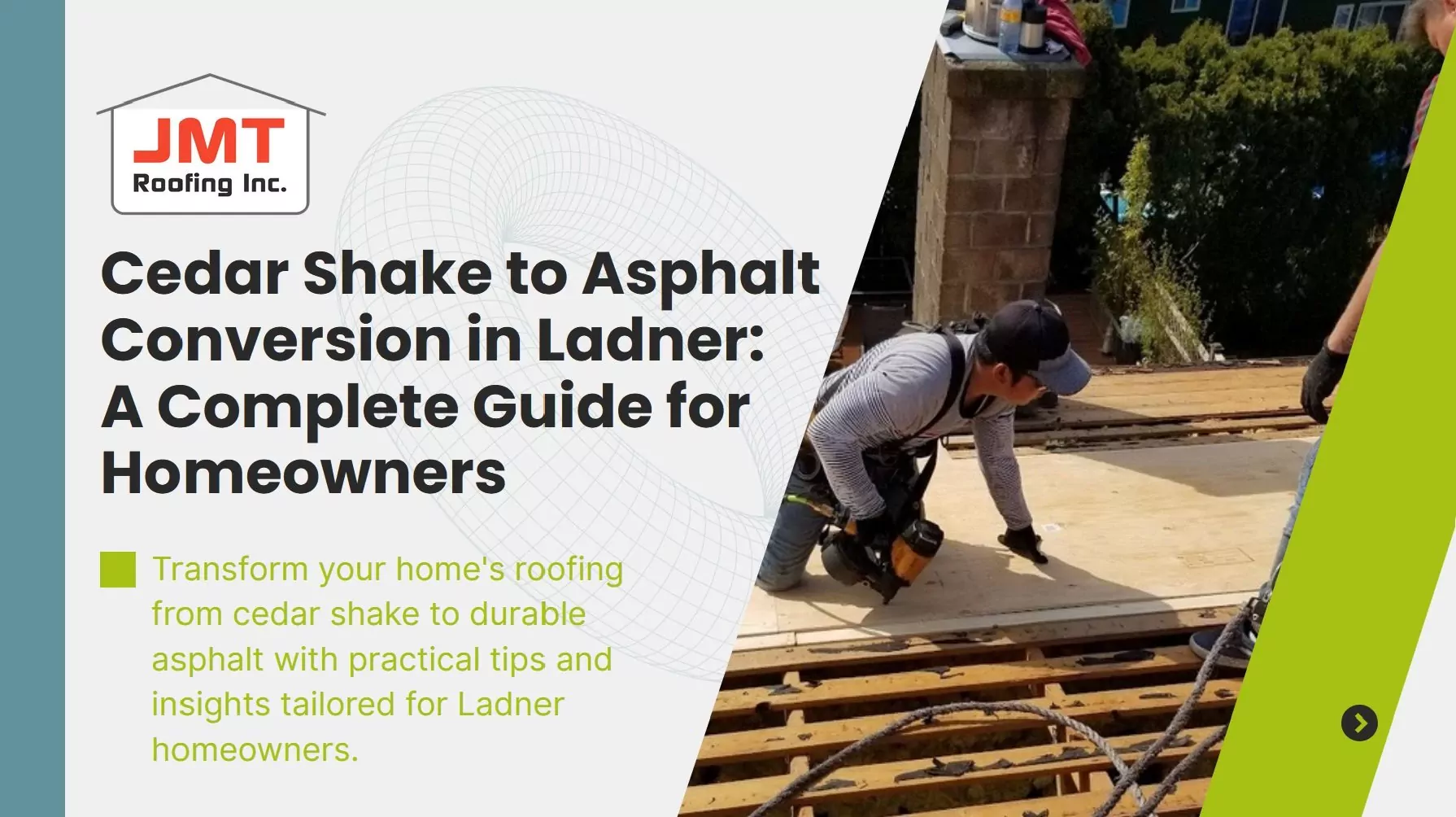
Cedar Shake to Asphalt Conversion in Ladner: A Complete Guide for Homeowners
Transform your home's roofing from cedar shake to durable asphalt with practical tips and insights tailored for Ladner homeowners.
Thinking about a Cedar Shake to Asphalt Conversion Ladner homeowners can trust for long-term performance and value? You are in the right place. Ladner's coastal climate brings steady rain, salty air, and seasonal winds that can age cedar shakes faster than expected, making asphalt shingles a practical, cost-effective upgrade. This complete guide walks you through the benefits, process, costs, and what to expect when you convert from cedar to asphalt. We draw on local jobsite experience in Delta and Ladner, manufacturer guidance, and building code best practices to help you make an informed decision. To get you started, here is a quick link to learn more about Cedar Shake to Asphalt Conversion Ladner and how it applies to your home's roof and budget.
Cedar Shake to Asphalt Conversion Ladner: Why Homeowners Are Switching
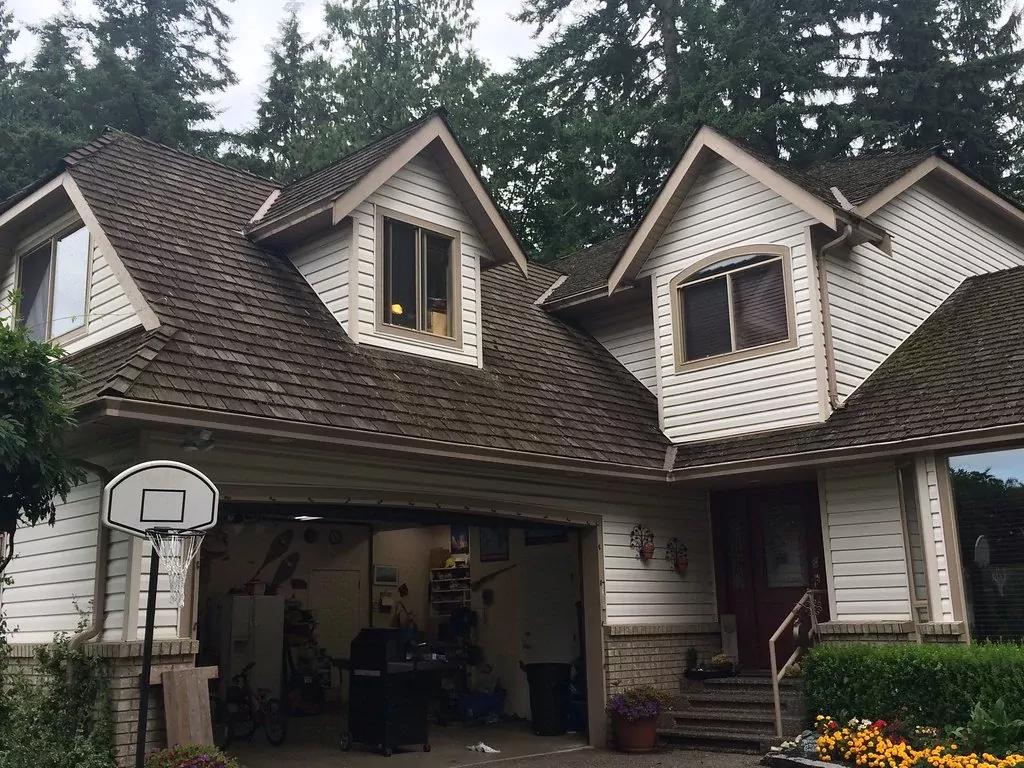
Homeowners in Ladner are increasingly moving from cedar shakes to modern asphalt shingles for reasons that blend performance and practicality. Asphalt shingles deliver dependable weather resistance in a climate known for heavy rainfall, occasional wind events, and moss growth. While cedar can be beautiful, it typically requires more frequent maintenance, treatments, and selective shake replacement to stay watertight. Architectural asphalt shingles, by contrast, offer higher wind ratings, algae-resistant granules, and strong manufacturer warranties that reduce long-term risk. The result is a roof that retains curb appeal while lowering the maintenance burden and total cost of ownership.
Cost stability is another compelling factor pushing this conversion trend. Cedar shake supply and pricing can fluctuate, especially for higher-grade shakes needed to achieve longevity in damp, coastal conditions. Asphalt shingles are widely available in consistent quality tiers, making it easier to balance budget and performance with predictable pricing. Many Ladner homeowners report that asphalt's lifecycle costs are easier to plan for, especially when paired with code-compliant ventilation upgrades that improve shingle life. In short, asphalt's blend of value, availability, and reliability aligns well with Ladner's roofing needs. This makes the switch a sensible investment for homeowners focused on both immediate cost and long-term value.
Appearance and neighborhood fit also matter, and asphalt has evolved well beyond flat, monotone styles. Today's architectural options feature dimensional profiles that mimic premium materials and complement a wide range of home styles found across Ladner. Color blends can enhance siding tones and trim details, helping homeowners refresh curb appeal without changing the home's overall character. On streets where aged cedar has silvered and warped, a new architectural shingle can instantly modernize the look while signaling quality care to prospective buyers. In competitive real estate markets, that visual impact can support stronger resale outcomes.
From a sustainability perspective, asphalt roofing has advanced with recyclable components and longer service life, reducing waste over time. Many manufacturers publish Environmental Product Declarations, and some regions support recycling of tear-off materials, which your contractor can help arrange when available. Meanwhile, the energy performance of an asphalt system improves with proper attic ventilation and underlayment selection, helping keep attic temperatures in check. These system-level upgrades support shingle longevity and can provide comfort benefits in summer months. Even in Ladner's moderate climate, a balanced system design pays dividends across seasons.
Consider a local case study: a two-story family home near Ladner Harbour with a 2,000 sq ft roof and moderate 6/12 pitch transitioned from aging cedar to an architectural asphalt shingle with algae resistance. The previous roof required frequent moss cleaning and shake spot repairs after storms, pushing up annual maintenance costs. After conversion, the homeowners reported lower maintenance needs, consistent attic temperatures thanks to improved ridge and soffit ventilation, and a noticeable boost in curb appeal. Their insurer also noted the roof's improved wind rating, which helped streamline documentation for coverage. Years later, the roof continues to perform well with simple seasonal inspections and gutter cleaning.
Cedar Shake to Asphalt Conversion Ladner: Step-by-Step Process and Timeline
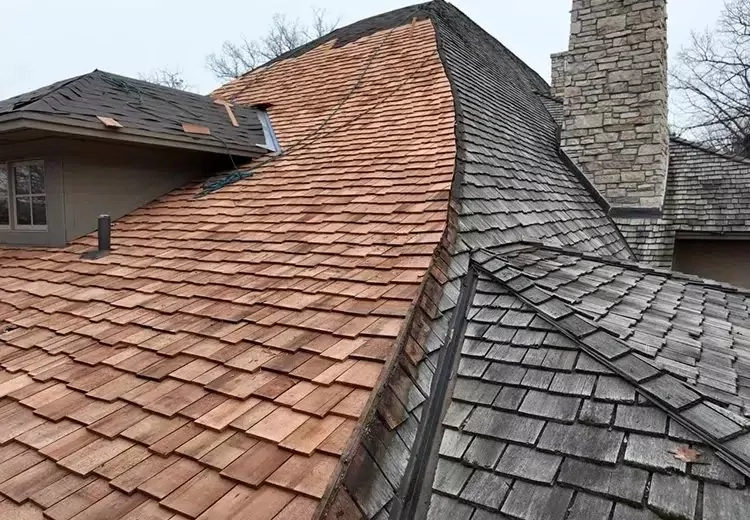
Converting a cedar shake roof to asphalt in Ladner follows a methodical, code-informed sequence that prioritizes safety, weather protection, and long-term durability. The process begins with a comprehensive roof and attic assessment to document deck condition, ventilation paths, and flashing requirements. Reputable contractors will photograph problem areas and outline the specific materials and steps they propose for your home. They will also discuss any required building permits and inspections, especially when structural work or sheathing replacement is anticipated. A clear scope, schedule, and communication plan prevent surprises once the project starts.
Most conversion projects include a full cedar tear-off, careful disposal, and deck inspection. Cedar shake systems are often installed over spaced sheathing (skip sheathing), which is not suitable for asphalt shingles that need continuous decking. Your contractor will confirm the deck type and thickness and recommend any necessary upgrades, such as new plywood or OSB sheathing, to provide a smooth, continuous surface. Flashing, vents, and skylight curbs are evaluated, with replacements included when components are aged, corroded, or incompatible with the new system. This is also the time to review chimney flashing, valley metal, and drip edge requirements to meet manufacturer and code standards.
Underlayment selection is critical in Ladner's rainy climate. A typical system includes an ice and water protection membrane in vulnerable zones like eaves, valleys, and around penetrations, plus a synthetic underlayment across the field. Balanced attic ventilation, often achieved through a combination of continuous ridge vent and clear soffit intakes, supports shingle life and helps prevent condensation. With the deck prepared and underlayments installed, shingles are laid according to manufacturer guidelines, including nail placement, exposure lines, and starter courses at eaves and rakes. Quality control at each stage ensures the roof meets wind rating and warranty criteria.
Here is a streamlined look at the typical sequence many Ladner homes follow during a conversion:
Timelines vary with roof size, pitch, and complexity, but many Ladner conversions complete in 2 to 5 working days. Weather windows are planned carefully, and crews will stage materials to protect open areas if rain moves in. Communication is key: your contractor should update you daily on progress, inspections, and next steps. Upon completion, expect a thorough cleanup, a final walkthrough, and clear warranty information including both manufacturer coverage and workmanship terms. This documentation is useful for property records and future real estate disclosures.
Costs, ROI, and Warranty Considerations for Cedar Shake to Asphalt Conversion Ladner
Budgeting for a Cedar Shake to Asphalt Conversion Ladner project involves several variables beyond just shingle choice. Roof size and pitch, access, number of planes and valleys, and tear-off volume all affect labor and disposal costs. If your roof currently has spaced sheathing, plan for installation of continuous plywood or OSB decking to meet asphalt installation requirements. Flashing upgrades, skylight replacements, and ventilation improvements also factor into the total estimate. A detailed, line-item proposal helps you see where your dollars go and compare options confidently.
When comparing products, architectural shingles deliver an attractive balance between price and performance for most Ladner homes. Impact resistance, algae protection, and enhanced wind ratings are available in many mid-tier and premium lines. Heavier designer shingles can further boost curb appeal in select neighborhoods, but standard architectural profiles already provide a dimensional look. Ask for side-by-side comparisons of manufacturer warranties, which often include limited lifetime terms plus specific years of non-prorated coverage. The right choice depends on your budget, aesthetic goals, and planned home ownership horizon.
Return on investment comes from multiple angles: reduced maintenance, improved weather resistance, and marketability. Cedar maintenance in Ladner can include periodic treatments, moss removal, and shake replacements after storms, which add up over time. An asphalt system with algae-resistant granules and balanced ventilation typically needs only seasonal inspections and gutter care. For homeowners planning to sell within a few years, a clean, modern roof with transferable warranty documentation can be a compelling listing advantage. For long-term owners, lower ongoing maintenance coupled with reliable performance drives total cost of ownership down.
Consider a cost example from a typical 2,000 to 2,400 sq ft Ladner roof with moderate complexity. The project may include full tear-off, new continuous decking over skip sheathing, premium synthetic underlayment, ice and water shield, architectural shingles with algae resistance, updated flashings, and ridge ventilation. While pricing fluctuates with material markets and site specifics, your estimate should clearly separate tear-off and disposal, decking upgrades, underlayments, shingles, accessories, and labor. Some homeowners explore phased upgrades, but combining decking, ventilation, and shingle installation in a single project usually delivers better value. Ask your contractor about financing options or seasonal promotions to align the project with your budget.
Warranty terms deserve careful attention. Verify that your installation follows the manufacturer's certified practices to unlock extended coverage options where available. Review what is covered, what is prorated, and for how long, and confirm whether workmanship coverage is offered directly by the contractor. For technical guidance on materials and best practices, the Asphalt Roofing Manufacturers Association provides accessible resources at asphaltroofing.org, and the National Roofing Contractors Association offers reference materials at nrca.net. Local permit requirements and code considerations can be checked with the City of Delta at delta.ca/services/building/permits and the Province of BC building codes portal at gov.bc.ca. Documentation now safeguards your investment later.
Choosing Materials and a Trusted Contractor in Ladner
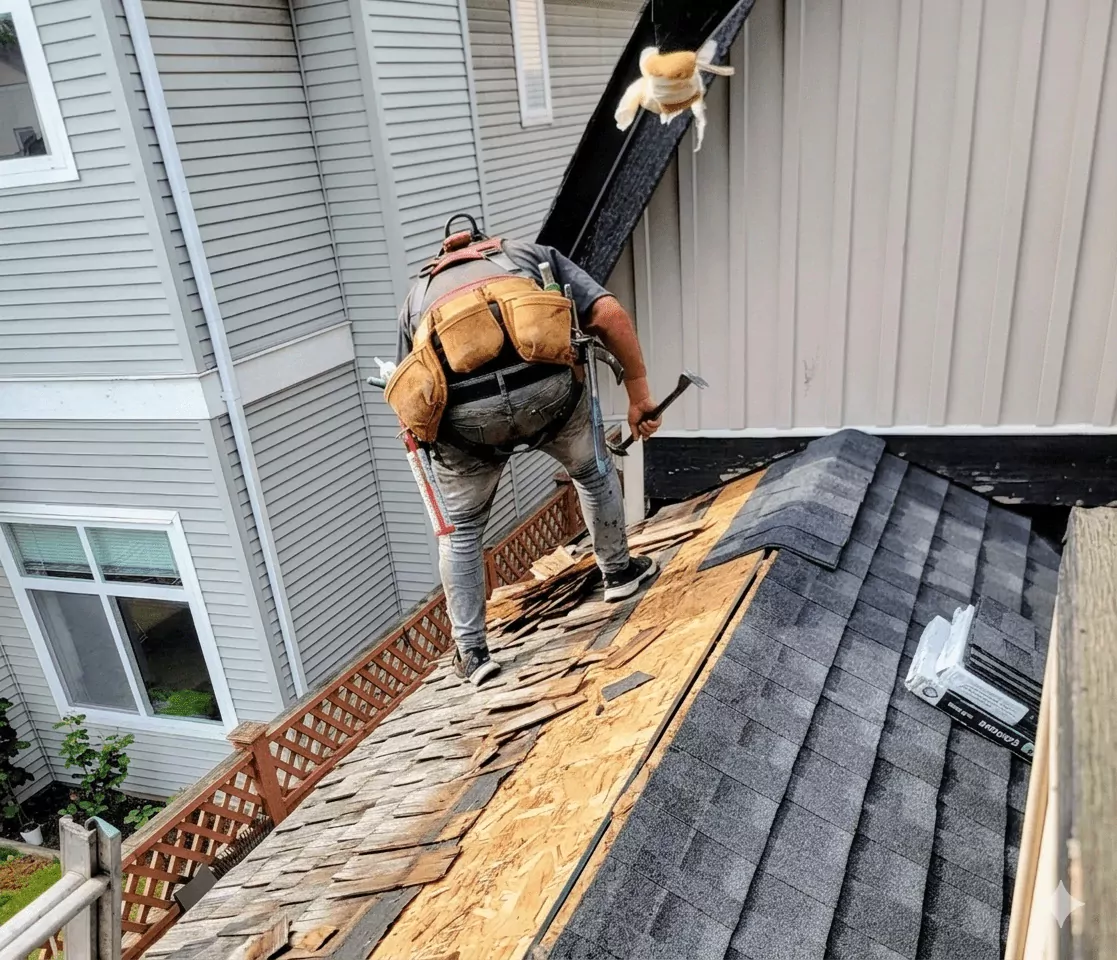
Material selection is not just about color; it is about building a weather-ready system for Ladner's environment. Start with an architectural asphalt shingle that offers algae-resistant technology to help prevent streaking and moss growth common in coastal BC. Pair it with an ice and water membrane at eaves and valleys, a high-traction synthetic underlayment across the field, and factory-matched hip and ridge caps. Ensure flashings are upgraded as needed, including step, counter, and chimney flashings for watertight transitions. Balanced attic ventilation via ridge vent and free-flowing soffit intakes is critical to shingle longevity and indoor comfort.
When evaluating contractors, prioritize transparent communication, local references, and strong safety and insurance protocols. In Ladner and greater Delta, established firms can provide addresses of recent projects for drive-by inspections and testimonials you can verify. Confirm that your contractor carries valid liability insurance and workers' compensation coverage, and ask how they protect landscaping, gutters, and driveways during tear-off. Manufacturer-aligned training or certifications signal familiarity with best practices that protect warranties. The right partner will walk you through options, answer questions thoroughly, and document every step.
Here are practical criteria Ladner homeowners use to choose confidently:
To see how a well-run conversion feels in practice, consider a Ladner homeowner who prioritized ventilation as part of their upgrade. Their attic previously ran hot and humid, with visible signs of condensation on fasteners in winter. The installation plan added continuous ridge vents, cleared blocked soffit intakes, and sealed key air bypasses at the attic floor. Post-conversion, the homeowner noted fewer signs of moisture, more stable indoor comfort, and a quieter roof during windy nights. Small system-level decisions, implemented together, made a measurable difference.
Ready to explore options tailored to your home? Browse our roof replacement service details at /services/roof-replacement, or reach our team to discuss material samples and scheduling at /contact. If you would like more educational content before deciding, visit our blog for related guides at /blog. With the right information and a trusted local partner, converting cedar shakes to asphalt becomes a smooth, predictable upgrade. The payoff is a durable, attractive roof that fits Ladner's climate and your budget.
Conclusion
A Cedar Shake to Asphalt Conversion Ladner homeowners can rely on begins with clear information, a methodical plan, and proven installation practices. Asphalt shingles offer dependable weather resistance, attractive curb appeal, and manageable lifecycle costs suited to Ladner's coastal environment. When paired with continuous decking, quality underlayments, proper flashings, and balanced ventilation, your new system is built for longevity. From permitting and tear-off to final inspection, choose a partner who documents each step and follows manufacturer guidelines to protect your warranty. If you want a roof that performs season after season with minimal upkeep, the conversion is a smart, future-ready upgrade for your home.
For expert help, call JMT Roofing at 604-960-1363 or visit us at 101 - 1588 Derwent Way, Delta, BC V3M 6Z7. John and the local team are happy to answer questions, show product samples, and provide a detailed, itemized proposal for your home. Explore our services at /services/roof-replacement, send a note through our contact page at /contact, or read more how-to articles at /blog. We proudly serve Ladner and surrounding Delta communities with courteous service, safe worksites, and high-caliber craftsmanship. Your new asphalt roof is just a conversation away.
Frequently Asked Questions

How long does a cedar shake to asphalt conversion typically take in Ladner?
Most conversions complete within 2 to 5 working days, depending on roof size, pitch, and complexity. Projects that require installing new continuous decking over spaced sheathing will trend toward the longer end. Weather windows are planned carefully to protect your home during tear-off and underlayment installation. A reliable contractor will provide daily updates on progress and adapt the schedule if rain moves in. Final walkthroughs and cleanup, including a magnetic nail sweep, happen at the end to ensure your property is left tidy and safe.
Do I need a building permit to convert from cedar to asphalt in Ladner?
Permit requirements can depend on the scope of work, especially if structural decking repairs or significant alterations are planned. Many reroof projects that include sheathing replacement or skylight changes will require a permit from the City of Delta. Your contractor should manage the permit process and align installation details with local building codes. You can review local guidance at the City of Delta permits page here: delta.ca/services/building/permits. Staying compliant streamlines inspections and protects your home's value during future sales.
Can I install asphalt shingles over existing cedar shakes to save money?
Installing asphalt directly over cedar shakes is not recommended and generally does not meet manufacturer specifications or code intent. Cedar shake systems often sit on spaced sheathing, which does not provide the continuous deck asphalt shingles require. Proper conversion involves full tear-off, deck inspection, and installation of continuous plywood or OSB sheathing as needed. Skipping these steps risks premature shingle wear, blow-offs, and potential warranty issues. The right approach may cost more upfront but delivers safer, longer-lasting results in Ladner's climate.
How much does a cedar to asphalt conversion cost, and what drives the price?
Costs vary with roof size, pitch, access, tear-off volume, decking replacement needs, and chosen materials. Many Ladner homes with spaced sheathing will include new continuous decking, which adds material and labor but is essential for asphalt performance. Upgrades like premium synthetic underlayment, ice and water protection, enhanced ventilation, and new flashings also impact the bottom line. Ask for an itemized estimate to see exact cost components and compare options. A well-specified proposal makes it easier to understand value and avoid change orders during installation.
What maintenance does an asphalt roof need after conversion?
Asphalt shingle systems are generally low maintenance when installed with proper ventilation and flashings. Plan seasonal inspections to remove debris, check gutters, and look for any lifted shingles after storms. Keep nearby trees trimmed to minimize shade and organic debris that can promote moss growth. In Ladner's climate, algae-resistant shingles and clean roof surfaces help maintain appearance over time. If you notice concerns, contact your contractor promptly so minor issues stay small and your warranty remains protected.
Location
1588 Derwent Wy #101
Delta, BC V3M 6Z7
Give Us A Call
604-960-1363
Send Us A Message
John@JMTRoofing.com
About Us
Problems with your roof can be very stressful. We're here to help and answer all your questions along the way.
Quick Links
Services
Opening Hours
Monday 6:00 am - 6:00 pm
Tuesday 6:00 AM - 6:00 PM
Wednesday 6:00 AM - 6:00 PM
Thursday 6:00 AM - 6:00 PM
Friday 6:00 AM - 6:00 PM
Saturday 6:00 AM - 6:00 PM
Closed

© 2025 JMT Roofing